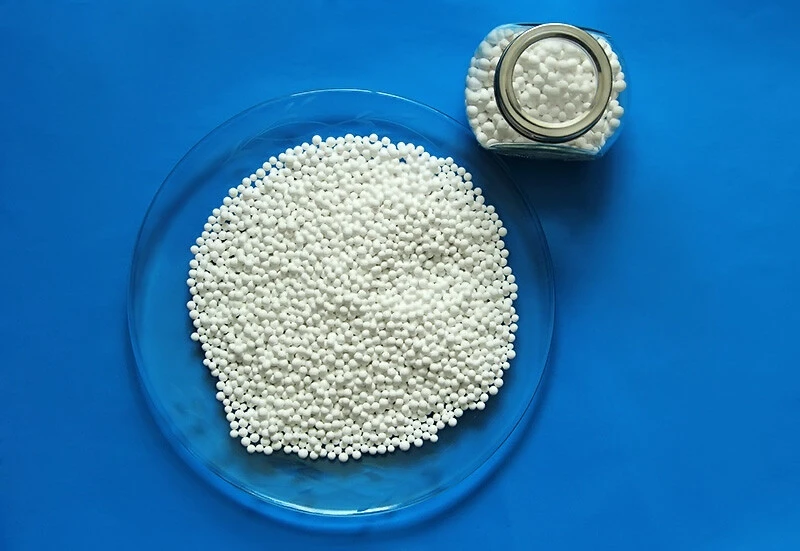
Activated alumina and silica gel are the two most common dry desiccants, yet they are not interchangeable. Choosing between them correctly saves energy, extends equipment life and protects product quality.
Adsorption Characteristics at a Glance
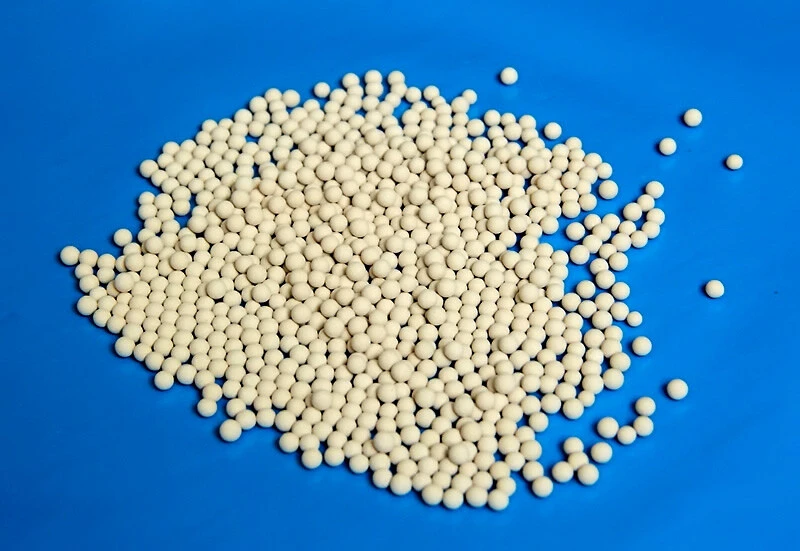
- Silica gel: higher static capacity at low humidity, physically adsorbs water into its pores, works best below 40°C.
- Activated alumina: slightly lower capacity but higher crush strength, resistant to liquid water, retains capacity at higher temperatures.
When to Choose Silica Gel
For packaging, electronics and moderate-temperature drying where low cost and high capacity at normal humidity matter, silica gel is ideal. It is also the better choice where cobalt-free or food-contact grades are needed.
When to Choose Activated Alumina
Activated alumina wins in compressed air and gas drying because it tolerates the liquid water carryover that destroys silica gel, achieves lower dew points, and resists crushing in tall dryer towers. It is also regenerable at lower temperatures, saving energy in heatless dryers.
Dew Point Comparison
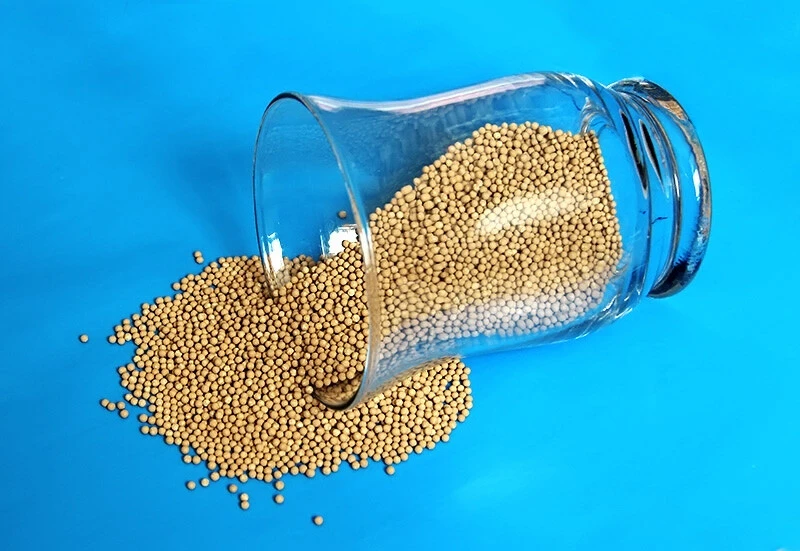
Both can reach a pressure dew point around -40°C in typical air dryer service. Molecular sieve remains the only option for -60°C and below, which is why many units use a layered design: activated alumina as a guard bed over a molecular sieve top layer.
Cost and Life Considerations
Silica gel is cheaper per kilogram, but activated alumina's longer life and robustness in wet conditions often make it the lower total-cost option for industrial dryers. In packaging, silica gel's capacity at ambient humidity makes it the economical default.
Still unsure which desiccant fits your duty? Share your operating conditions and we will recommend the media and charge size.

Comments (0)
No comments yet. Be the first to share your thoughts.
Leave a Comment