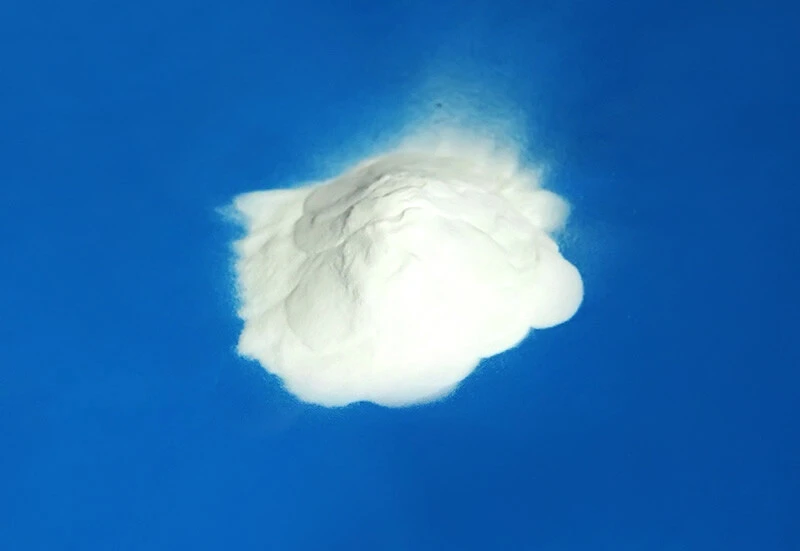
Calcined alumina is the base material for some of the most demanding products in modern industry: LED heat sinks, ceramic substrates, wear parts, spark plug insulators and high-frequency dielectrics. Choosing the right grade is about matching crystallinity, purity and particle morphology to the application.
Understanding Calcined Alumina Phases
When alumina hydrate is calcined, it passes through a series of transition phases before reaching alpha alumina at around 1200°C. Alpha alumina is the dense, stable, chemically inert phase with Mohs hardness 9 and excellent thermal conductivity. The degree of alpha conversion, typically 90-98%, governs how the powder behaves in ceramic processing.
Key Selection Parameters
- Soda content: for electronics, low-soda (<0.05% Na₂O) grades prevent ionic migration and dielectric loss.
- Particle size distribution: bimodal distributions pack more densely, enabling high-density, low-porosity ceramics.
- Crystallite size: affects sinterability - finer crystallites densify at lower temperatures.
- Thermal conductivity: for heat-dissipation fillers, dense, well-crystallized alpha alumina conducts heat most effectively.
Thermal Management Applications
In thermally conductive plastics and adhesives, calcined alumina fillers raise thermal conductivity by several orders of magnitude while retaining electrical insulation. The filler loading, particle shape and surface treatment all affect conductivity, and grade selection should be validated against the compounder's formulation.
Advanced Ceramics Processing
For structural ceramics, calcined alumina is milled, pressed or cast, and fired at 1500-1700°C. Key quality indicators include fired density (above 3.8 g/cm³ for dense grades), grain size uniformity and dimensional stability. Consistent raw material is essential because variation in alpha content directly changes firing shrinkage.
Our calcined alumina range covers standard, low-soda and fine-ground grades. Contact us for particle-size curves and impurity certificates to match your ceramic or thermal-management process.

Comments (0)
No comments yet. Be the first to share your thoughts.
Leave a Comment