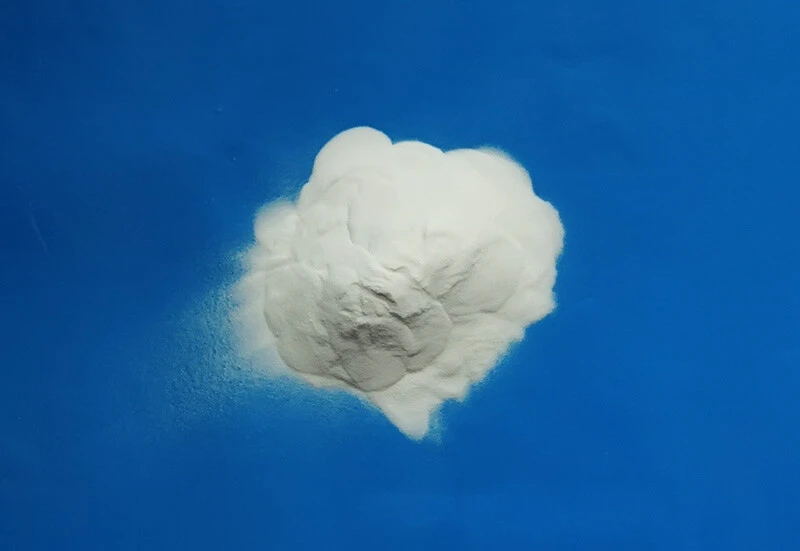
Fire safety regulation is pushing industry away from halogenated flame retardants toward mineral alternatives. Aluminium hydroxide (ATH) is the leading replacement - abundant, non-toxic and effective - and understanding how it works is essential for formulators.
How ATH Suppresses Fire
ATH acts through three simultaneous mechanisms. First, it decomposes endothermically above about 200°C, absorbing heat from the flame. Second, it releases water vapor, diluting combustible gases. Third, it leaves a refractory alumina char that insulates the polymer and blocks oxygen. The result is reduced flame spread, lower heat release and dramatic smoke suppression.
Why ATH Rather Than Halogens?
Halogenated flame retardants are effective but release toxic, corrosive smoke during fires. ATH is halogen-free, produces minimal smoke, and is classified as environmentally benign. This drives its mandatory use in building cables, public transport interiors and green building materials.
Formulation Considerations
- Loading: effective flame retardancy typically requires 50-65% filler loading, which demands good dispersion and small particle size.
- Particle size: fine ATH (D50 < 2 μm) allows high loading without losing mechanical properties.
- Surface treatment: silane coupling agents improve adhesion to polymer and reduce viscosity.
- Thermal budget: ATH decomposes near 200°C, limiting processing temperatures in polymers that must be processed hotter.
Quality Parameters
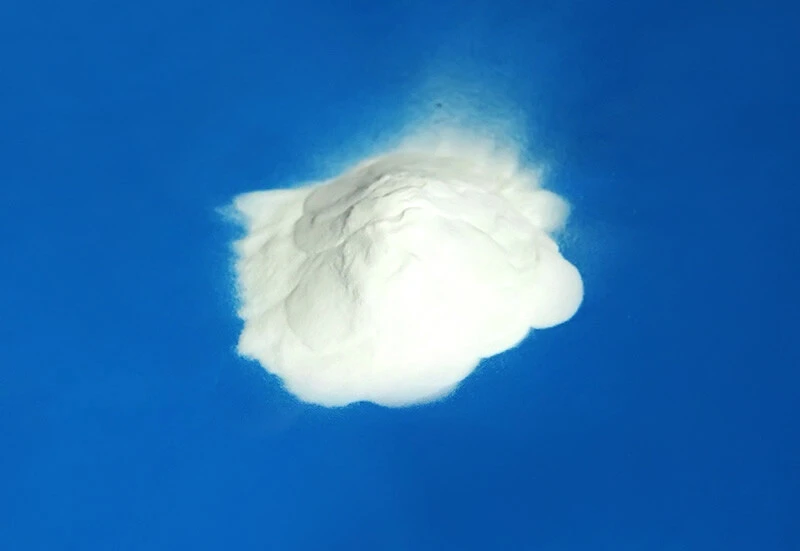
Whiteness above 95% ensures bright finished products; iron below 0.01% prevents yellowing; narrow particle-size distribution ensures consistent rheology. Food-grade and electronics-grade purities are available for sensitive applications.
Our ATH range spans standard, fine and ultra-fine grades with surface treatment options. Contact us for particle-size data and formulation support.

Comments (0)
No comments yet. Be the first to share your thoughts.
Leave a Comment