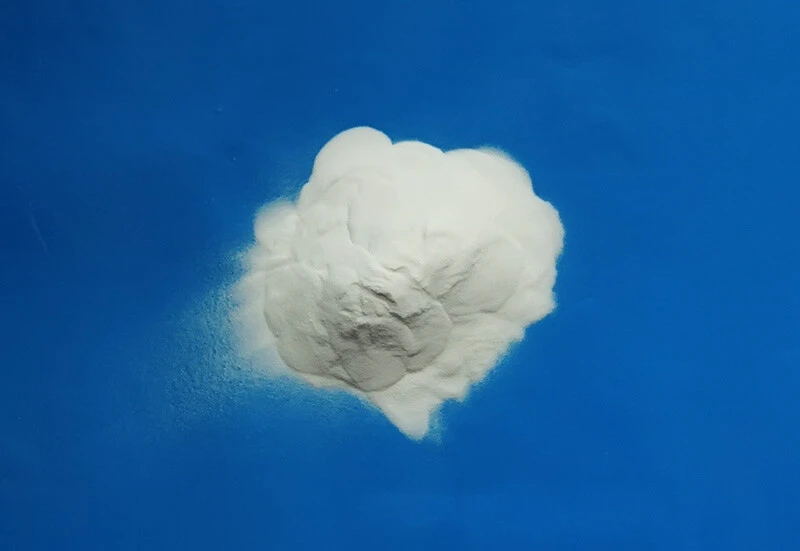
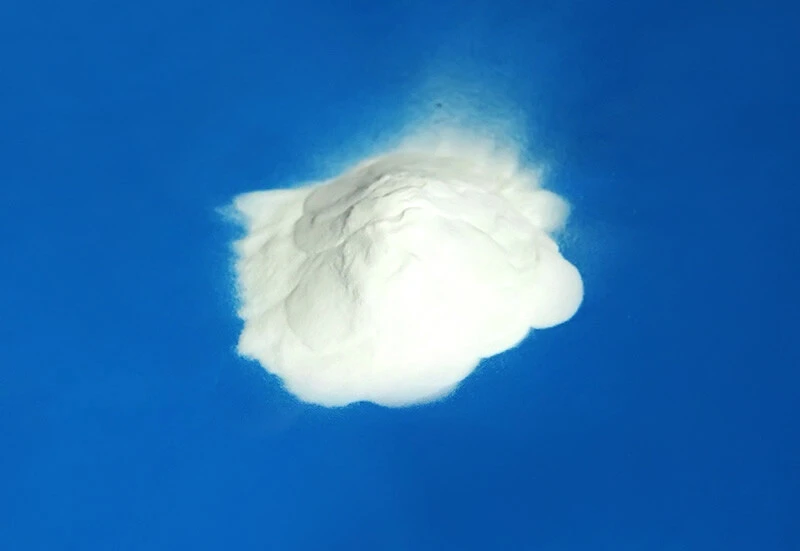
Ask for "alumina powder" and you might receive either gamma or calcined alpha alumina - two materials with the same chemical formula but radically different behavior. Confusing them is one of the most common specification errors in ceramics and catalysis.
The Phase Story
Alumina (Al₂O₃) exists in many crystalline phases. Gamma alumina forms when aluminum hydroxide is calcined at 400-700°C; it retains high surface area but is metastable. Calcined alpha alumina forms when heating continues to 1200°C+, completing a phase transition into the dense, thermodynamically stable corundum structure.
Gamma Alumina: The Active Phase
- Surface area of 200-350 m²/g - hundreds of times higher than calcined grades
- Used for catalysis, adsorption and as a precursor
- Reactive, with transitional phase behavior on heating
Calcined (Alpha) Alumina: The Dense Phase
- Mohs hardness 9, high thermal conductivity, excellent electrical insulation
- Chemically inert and dimensionally stable to 1800°C
- Used in ceramics, refractories, abrasives, electronics
When One Turns Into the Other
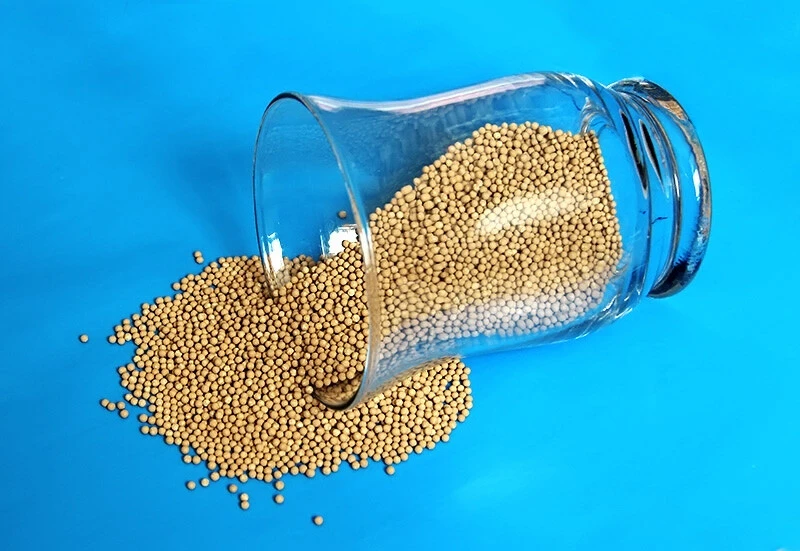
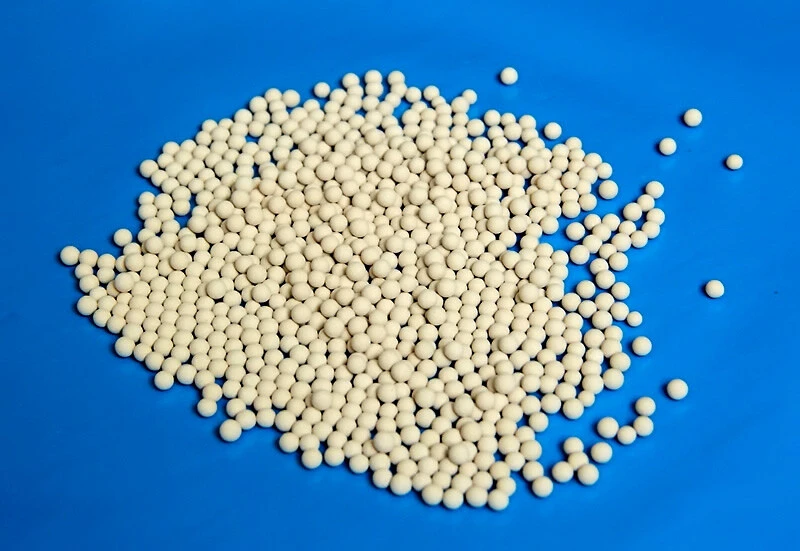
A common process route is to take gamma alumina (or pseudo boehmite), form it into a shape, and calcine at high temperature so the final product is alpha phase. The transition is irreversible and involves significant shrinkage - about 14-18% by volume - which processors must manage through careful firing schedules.
Selection Checklist
- Need high surface area for a catalyst or adsorbent? Choose gamma alumina.
- Need hardness, thermal stability or electrical insulation in a fired product? Choose calcined alpha alumina.
- Unsure of the phase you received? Ask for X-ray diffraction (XRD) verification on the certificate of analysis.
We supply both gamma and calcined alumina powders with full certificates of analysis. Tell us your application and we will confirm the correct phase and grade.

Comments (0)
No comments yet. Be the first to share your thoughts.
Leave a Comment