Compressed air systems lose energy and damage equipment when water condenses in lines. Desiccant dryers eliminate the problem by removing moisture to pressure dew points of -40°C or lower - but only if the desiccant is chosen and sized correctly.
Desiccant Options
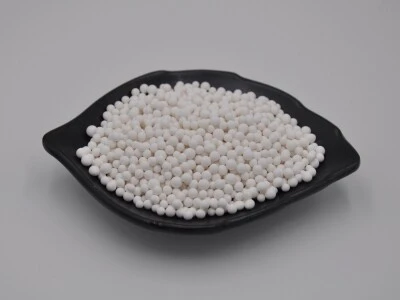
- Activated alumina: the standard for air dryer service. Tolerates liquid water carryover, regenerates at 150-200°C, achieves -40°C PDP.
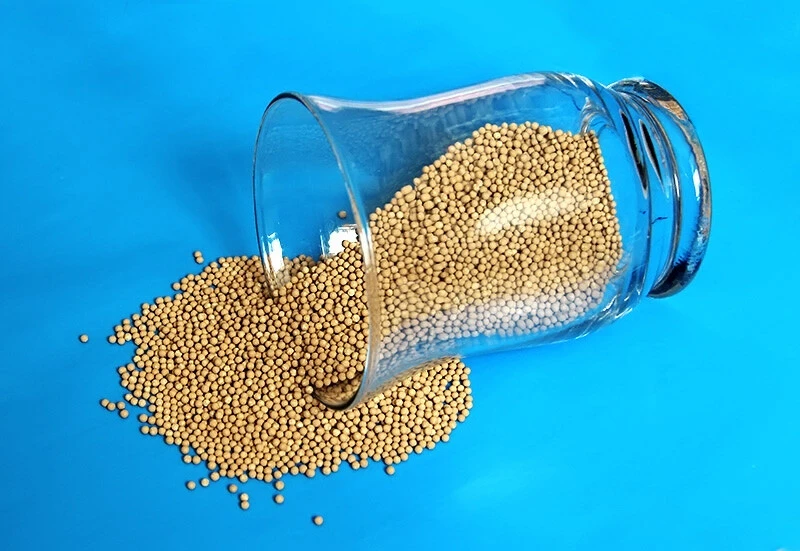
- Molecular sieve: reaches -60°C PDP but is more expensive and sensitive to liquid water; usually used only where dew points below -40°C are mandatory.
- Layered beds: alumina guard layer over molecular sieve combines robustness with deep dew point.
Dryer Type Drives Media Choice
Heatless (pressure swing) dryers regenerate with dry product gas at ambient temperature, so they need a media that desorbs easily at low temperature - activated alumina is the standard. Heated and blower purge dryers regenerate at higher temperatures, allowing either alumina or, for very low dew points, molecular sieve.
Sizing the Charge
Charge weight depends on the drying requirement (kg water per hour), the cycle time, and the media's working capacity. Working capacity is not static capacity: it is the capacity actually used between regenerations and depends on cycle length and regeneration effectiveness. Sizing too small raises dew point; sizing too large wastes energy on unnecessary regeneration.
Common Failure Modes
- Liquid water slugs from an undersized pre-filter, crushing the media
- Oil contamination from failed coalescers, fouling pores
- Regeneration time too short, leaving residual moisture that migrates to product
- High inlet temperature reducing adsorption capacity
Share your flow rate, inlet conditions and target dew point, and we will recommend the media grade and approximate charge size for your dryer.

Comments (0)
No comments yet. Be the first to share your thoughts.
Leave a Comment