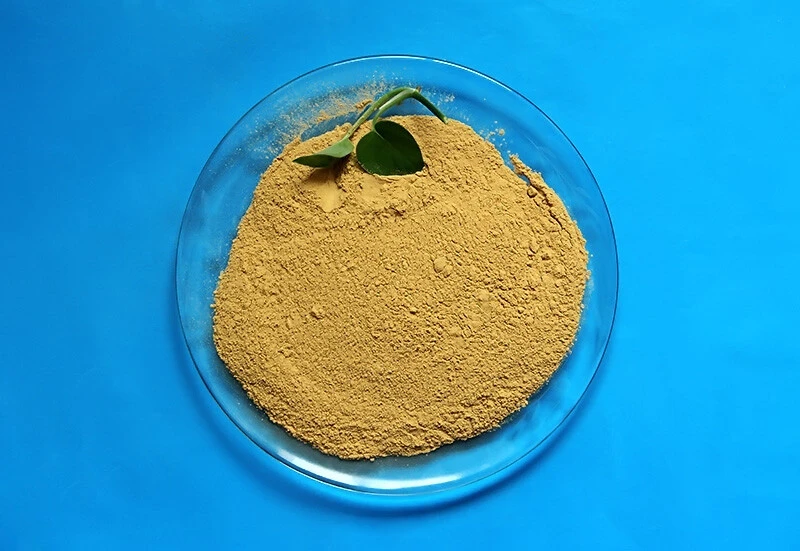
Sodium lignosulphonate is a by-product of wood pulping that has become an industrial multi-tool: it disperses, binds, wets and chelates at a fraction of the cost of synthetic alternatives. Its main markets are construction, ceramics, agriculture and oilfield services.
How Lignosulphonate Works
Lignosulphonate molecules carry negatively charged sulfonate groups along a polyphenolic backbone. In cement systems, these anions adsorb onto cement particles, creating electrostatic repulsion that breaks up agglomerates. Less water is needed for the same workability - typically a 5-10% reduction - which raises strength and durability.
Construction Applications
- Water-reducing admixtures in concrete and mortar
- Dust control on roads and construction sites (as a spray solution)
- Gypsum board and cement extrusion binders
Ceramics and Refractories
In ceramic bodies, lignosulphonate acts as a dispersant and plasticizer that improves slip rheology and imparts green strength to pressed parts before firing. In refractories it binds aggregates strongly enough that shapes survive handling and installation.
Agriculture and Feed
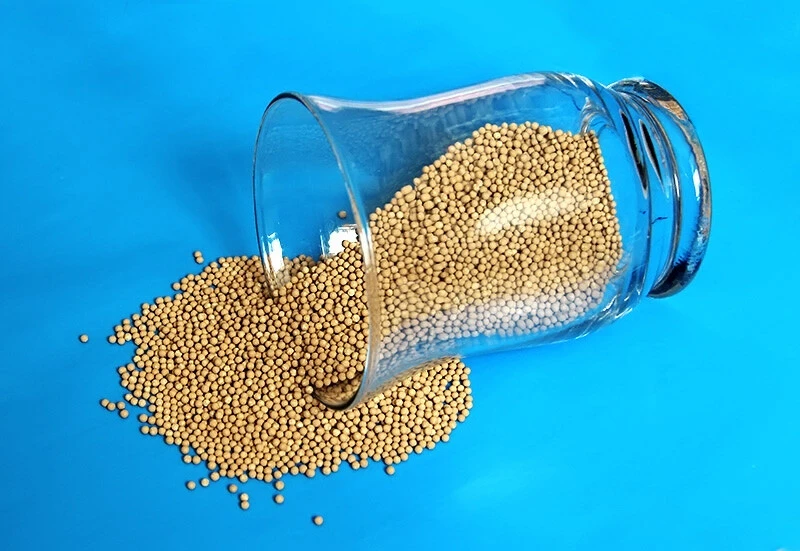
Lignosulphonate is a standard binder for animal feed pellets and fertilizer granules, holding the pellet together through drying and handling. It also acts as a carrier and dispersant in pesticide and fertilizer formulations.
Key Quality Specifications
- Lignin content ≥ 55%
- Moisture ≤ 8% (prevents caking)
- Water insolubles ≤ 1.5% (prevents residue in concrete)
- pH and reducing-sugar content matched to the application
Our lignosulphonate grades are milled to 40-mesh (construction) and 60-mesh (ceramics/feed). Request a sample and technical datasheet for your formulation.


Comments (0)
No comments yet. Be the first to share your thoughts.
Leave a Comment