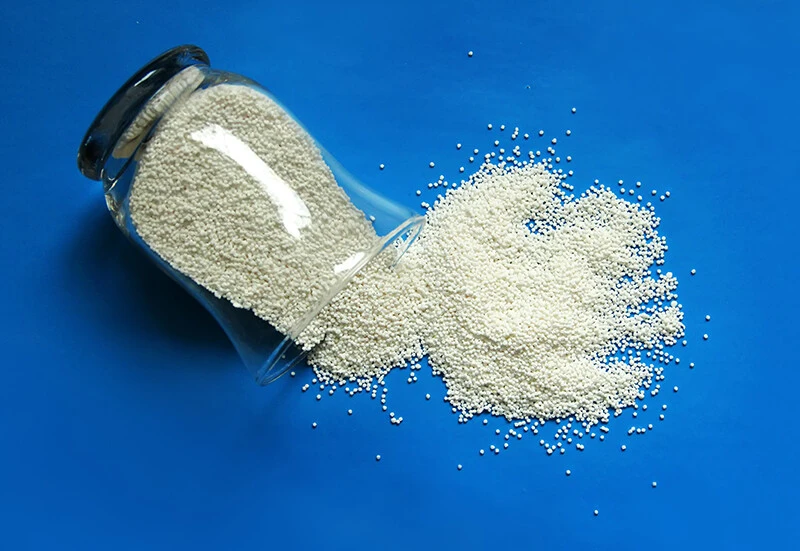
The catalyst carrier determines how active components perform inside a reactor. Geometry controls pressure drop and mass transfer; pore structure controls where reactions occur; strength controls whether the bed survives years of operation. Selecting a carrier is therefore a process-design decision, not a commodity purchase.
Why Carrier Shape Matters
Pressure drop is the first constraint. At a given superficial velocity, shapes with more void fraction - rings, trilobes, five-lobe spheres - allow higher throughput before pressure drop becomes limiting. More importantly, non-spherical shapes increase external surface area, reducing intraparticle diffusion resistance for the large molecules common in petroleum processing.
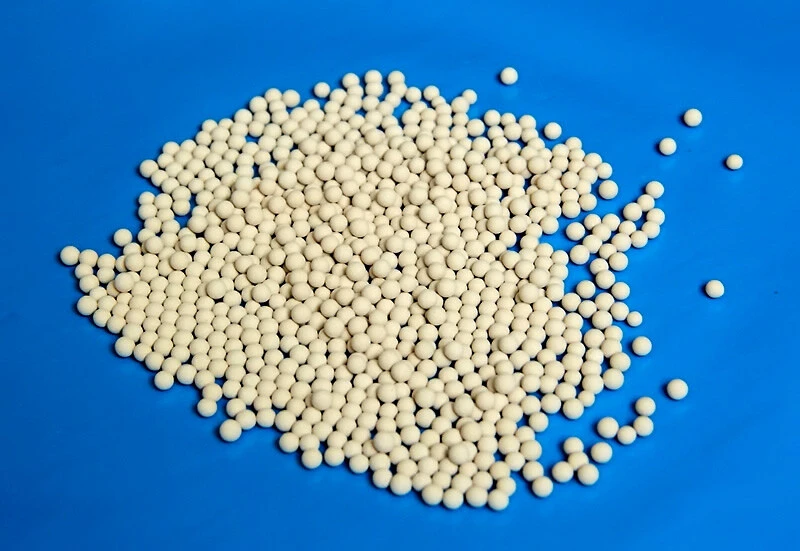
- Balls: highest strength, simplest packing, low pressure drop
- Trilobes: ~30-50% more surface than cylinders, lower pressure drop
- Extrudates: dense packing, high catalyst loading per volume
- Rings: up to 60% lower pressure drop for high-flow gas service
- Five-lobe spheres: surface channels plus spherical strength
Pore Structure Selection
Micropores provide the bulk of surface area but can block large molecules. Mesopores (2-50 nm) balance access and area. Macropores (>50 nm) admit heavy feedstock molecules and reduce diffusion path length. Heavy oil service demands macroporous carriers; gas-phase purification can use microporous high-area grades.
Strength: The Hidden Cost Driver
Weak carriers crush, generating fines that plug the bed, raise pressure drop and force premature shutdown. Crush strength and attrition resistance should be specified in N/particle and matched to bed depth and operating conditions. Deep beds, ebullating beds and cyclic regeneration all demand premium strength.
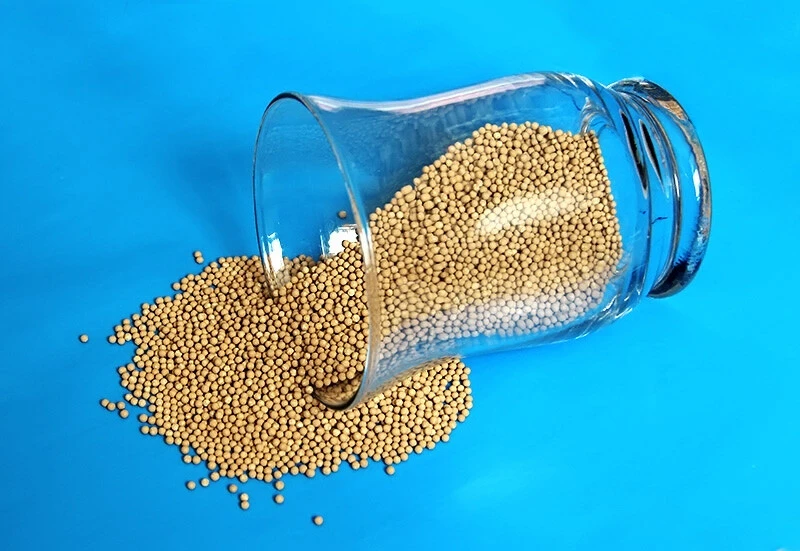
Our carrier range spans balls, trilobes, extrudates, rings, five-lobe spheres and microspheres in gamma through alpha phases. Describe your process and we will match geometry and pore structure to it.

Comments (0)
No comments yet. Be the first to share your thoughts.
Leave a Comment