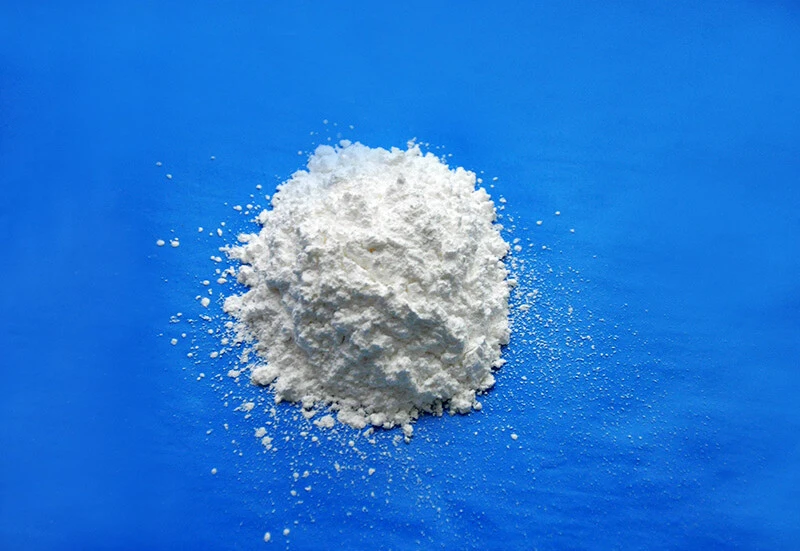
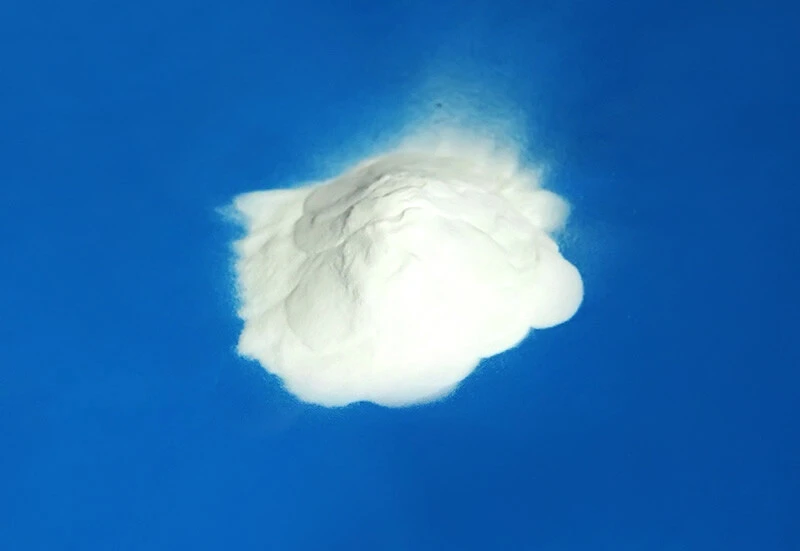
Behind most industrial catalysts sits an unsung material: pseudo boehmite. This white powder, a partially hydrated aluminum oxyhydroxide (AlOOH·nH₂O), provides the binding structure that holds catalytic components together and contributes the pore architecture the reaction needs.
Structure and Properties
Pseudo boehmite consists of very small crystallites of boehmite, typically 3-10 nm, that organize into a lamellar structure. When mixed with water and a small amount of acid, the crystallites disperse into a viscous gel. This acid-dispersibility is the property that makes it indispensable as a catalyst binder.
Why Catalysts Need Pseudo Boehmite
- Binding strength: the gel cements active components into pellets and extrudates that survive reactor loading and operation.
- Surface area: pseudo boehmite contributes its own 200-350 m²/g, adding to the final catalyst's active area.
- Pore development: controlled crystallite size allows manufacturers to tune the pore structure for specific reactions.
- Purity: low sodium and iron content protect precious-metal and acid-site performance.
From Binder to Support
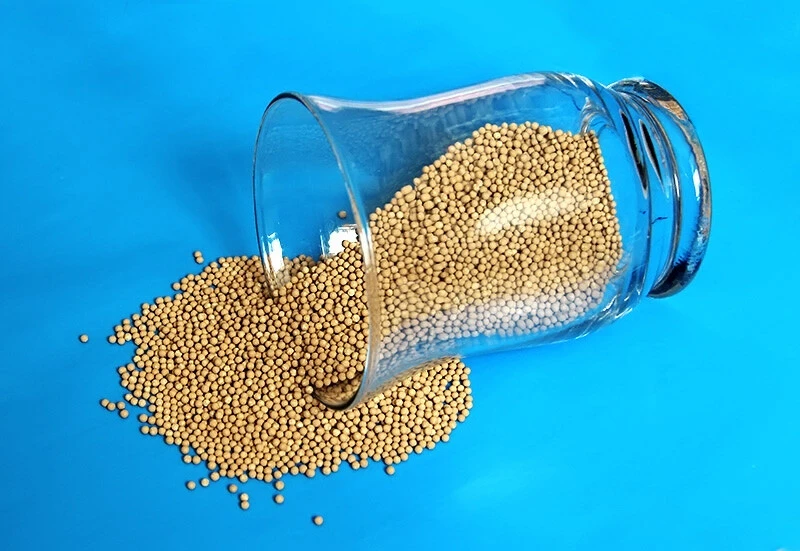
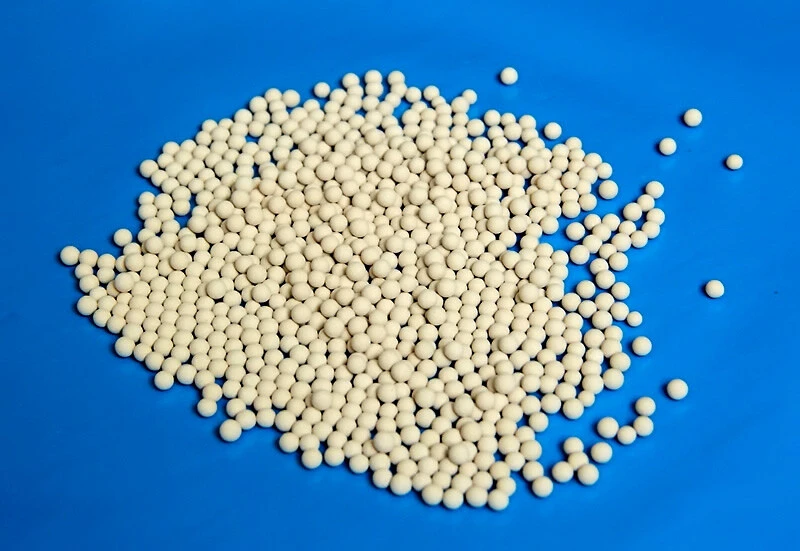
Calcination of pseudo boehmite produces gamma alumina, the classic catalyst support. So the same material can act as binder in a shaped support, then transform into the support itself during the calcination step - a single material serving two structural roles.
Quality Parameters to Specify
Buyers should specify Al₂O₃ content (≥99% dry basis), crystallite size, surface area, and crucially, the dispersibility index - a measure of how completely the powder disperses in acid, which governs binder effectiveness.
Our pseudo boehmite grades are designed for consistent dispersion and strong binding across catalyst manufacturing processes. Contact us for technical data and trial samples.

Comments (0)
No comments yet. Be the first to share your thoughts.
Leave a Comment