Few catalysts shape a whole industry like ZSM-5. Its precisely sized 10-ring pores accept linear molecules, convert them in confined geometry, and release products selected by dimension. The result is a catalyst family used from oil refineries to green chemical plants.
The Shape-Selectivity Principle
ZSM-5's pores are about 5.5Å - large enough for benzene rings to pass sideways but restrictive enough to limit bimolecular reactions. Reactant selectivity, product selectivity and transition-state selectivity combine to steer reactions toward favored products, most notably light olefins.
Major Application Areas
- FCC additives: added to fluid catalytic cracking units to raise propylene and butylene yields by converting gasoline-range olefins.
- Methanol-to-olefins (MTO): the core catalyst converting methanol from syngas or biomass into ethylene and propylene.
- Xylene isomerization: converting mixed xylenes toward the p-xylene needed for PET production.
- Toluene disproportionation: upgrading toluene to benzene and mixed xylenes.
- Emission control: selective reduction of NOx in diesel exhaust.
Why Silica-to-Alumina Ratio Matters
Acidity scales with aluminum content, so the SiO₂/Al₂O₃ ratio tunes activity and hydrophobicity. Low-ratio ZSM-5 (25-50) is highly acidic for cracking; high-ratio grades (300-800) are hydrophobic and used where water is present, such as MTO, reducing coke and extending run length.
Deactivation and Regeneration
ZSM-5 forms coke slowly compared with other zeolites because its pore geometry suppresses bimolecular coke precursors. In FCC units it cycles continuously through the regenerator; in fixed-bed service it can be regenerated oxidatively, restoring activity for thousands of hours.
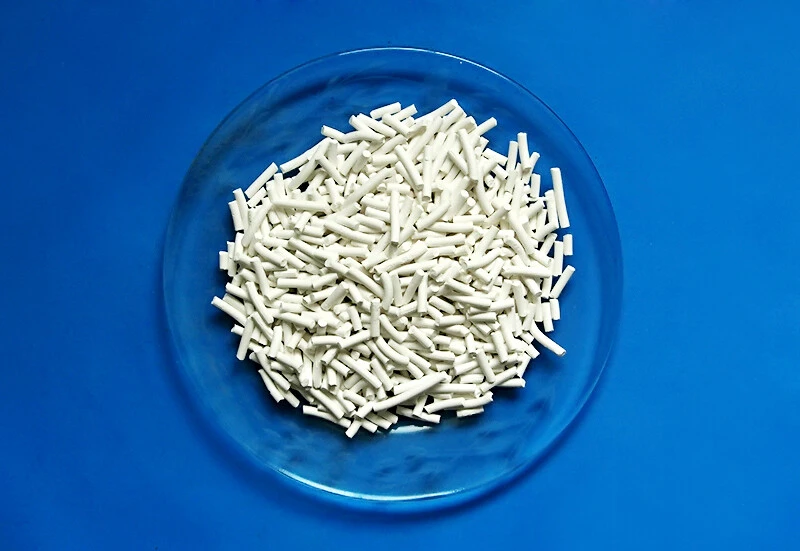
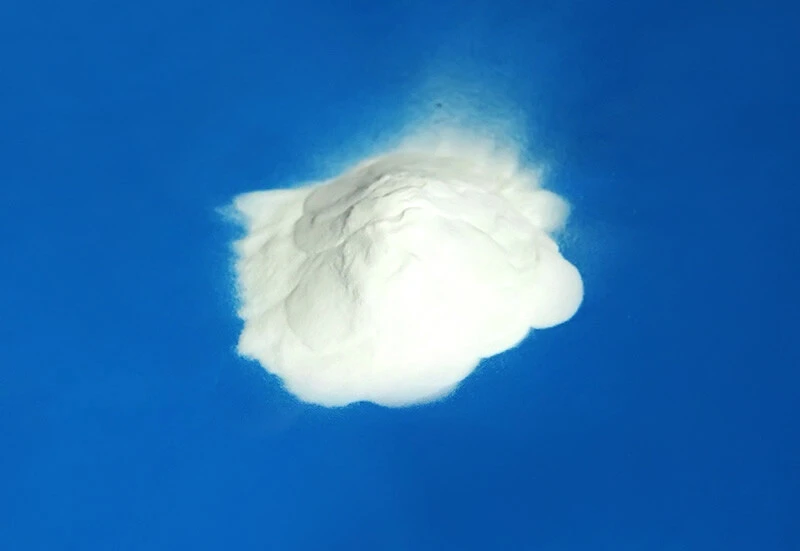
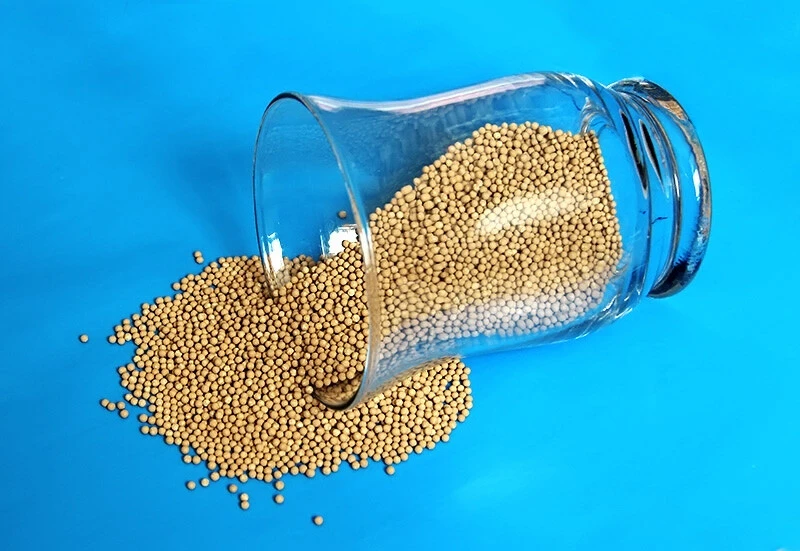
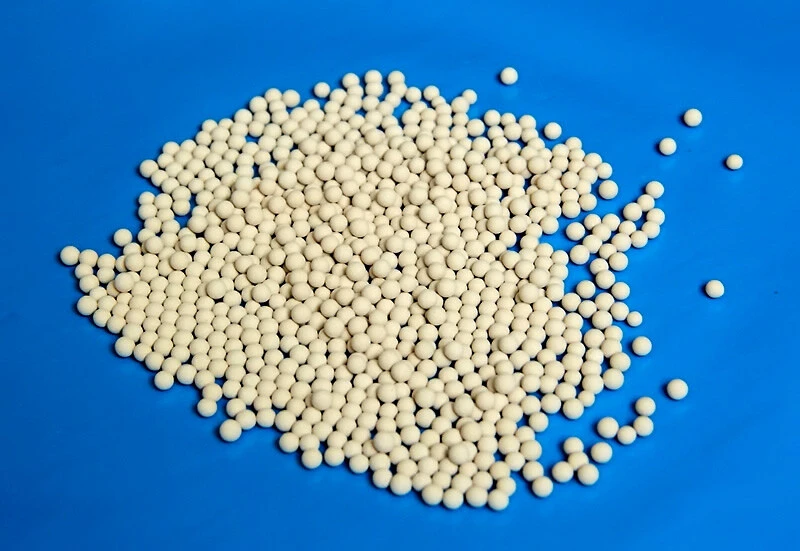
Our ZSM-5 catalysts are available in pellets, spheres and powder with adjustable SiO₂/Al₂O₃ ratios. Contact us for grades matched to FCC additives, MTO or isomerization duty.

Comments (0)
No comments yet. Be the first to share your thoughts.
Leave a Comment